Live With Sondra In Studio
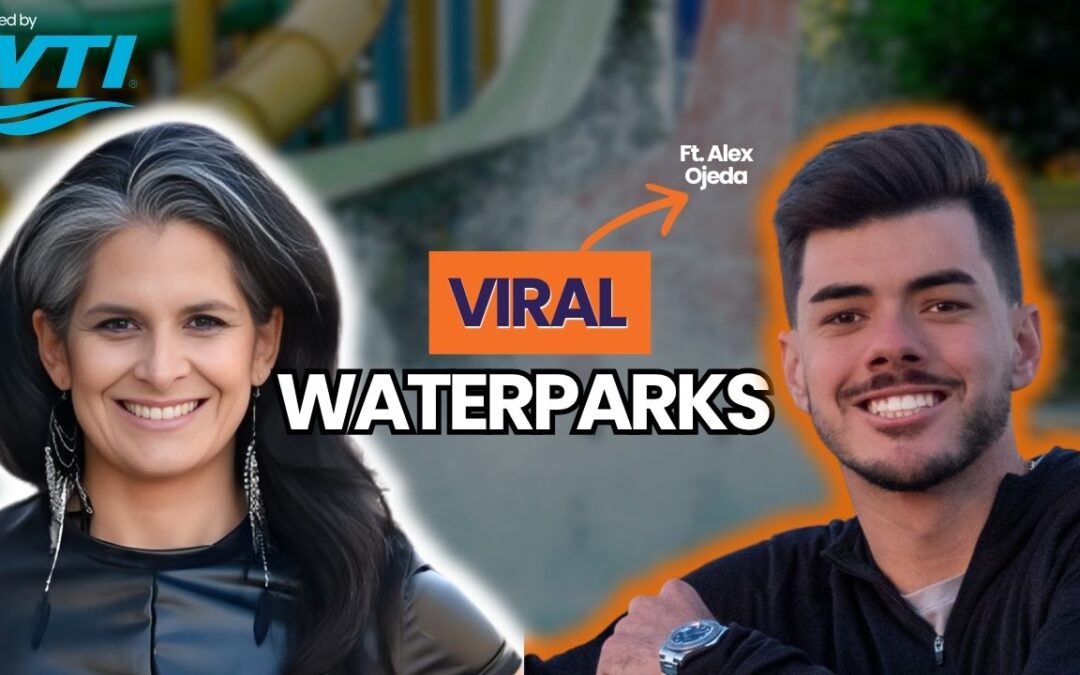
Viral Water Parks: Alex Ojeda on Experience, Revenue & Visibility
Ft. Alex Ojeda, Chief Content Creator at Alex Ojeda Media
Social video is now the digital front door of your asset. Guests no longer consult brochures; they validate their travel decisions through their feeds. The industry leaders of tomorrow will be the owners who treat content as core infrastructure—leveraging it to synchronize guest expectations and drive direct revenue, rather than treating it as a secondary marketing expense.
“The parks that thrive won’t be the loudest, they’ll be the most intentional, because experience is no longer a decoration. It’s a strategy.”
– Sondra, on moving from cosmetic experiences to strategic experience design
Overview
A Forbes 30 Under 30 and TIME100 honoree, Alex Ojeda reaches 14M+ followers and over 2B views a year. He’s not just filming thrills; he’s reading guest behavior, revenue flow, emotional impact, and long‑term positioning through the lens of content. This is not “another creator interview.” It’s a case study for CEOs on how experience, visibility, and operations are converging into one strategy—now decided in the scroll as much as at the gate.
1. Experience Is the Strategy
“The parks that thrive won’t be the loudest, they’ll be the most intentional, because experience is no longer a decoration. It’s a strategy.”
Your product is no longer your ride list; it’s the feelings, frictions, and shareable moments across the whole visit. Capital projects that ignore how guests will film, share, and talk about them are underperforming by design.
Filmability and shareability must be criteria in master planning, not something marketing improvises later.
2. Social Video as Demand-Gen Infrastructure
Everyone—from teens to GMs—is swiping. Many visit decisions are made in 3–5 seconds in a feed, not at your front gate or via traditional ads.
“Your guest is where you’re talking about—on social media, on YouTube.”
If you still treat Facebook, Instagram, TikTok, and YouTube as side channels instead of primary demand infrastructure, you’re behind. Every day you don’t post is:
- A missed discovery
- A missed share
- A missed data point on what resonates
“You’ve got to give things a try. Just do it—even if it’s not the best thing yet, it’s better than nothing, and people can still find you online.”
In this environment, perfectionism is a strategic risk.
3. Complaints and Comments as Product Intelligence
Alex treats comments as always‑on guest research. Sandra reframes it:
“Sometimes what your guest is saying is a gift for sure, especially if you take it and use it the way that you’re using it.”
When policy changes (like cooler rules) created backlash, parks used video to explain the ‘why’ and spotlight upgrades, leading to clearer expectations and fewer gate‑side battles.
Your reviews, DMs, and comments are unfiltered product feedback loops, not just PR issues. The executive questions become:
- What are guests actually telling us?
- What should change in operations, F&B, pricing, communication?
- What do we need to show them on video before they arrive?
4. From Rides to Destinations
Many top‑ranked parks in Thailand and Bali don’t win on record‑breaking slides. They win on:
- Capacity and comfort (including capped attendance)
- Layout and flow (how the day feels)
- Food and atmosphere (competing with beach clubs and resorts)
“This next generation… is very much about the experience, not just the rides, but the food being part of the experience.”
“Add a bigger slide” is no longer a strategy. Leaders must ask:
- What is the emotional arc of a day in our park?
- Are we built for lingering and sharing, or just queueing?
- Is our F&B compelling enough that someone might say, “We’d go just for that”?
5. Leadership Mindset as Bottleneck
The parks growing fastest are led by people who say:
- “This isn’t my expertise.”
- “We’re bringing in younger digital talent.”
- “We’ll try, learn, and iterate.”
“I believe all of these parks, even the old ones, they can still grow.”
For executives, that means:
- Stop treating social/content/experience design as “nice to have.”
- Treat them as levers on attendance, per‑cap spend, satisfaction, loyalty, and staffing.
- Sponsor experiments that might fail instead of hiding behind “not broken.”
6. What CEOs Should Do Next
“The next decade of the industry is being designed right now. Make sure you’re building it on purpose.”
Three moves:
- Personally review your strongest social channel. Ask: “If I only saw this, would I visit—and would I share it?”
- Run one 30‑day ‘make it shareable’ test on an underperforming asset and measure both operational and content impact.
- Reframe one recurring complaint as a “gift” and decide what you’ll change, explain, or show differently next season.
Your guests are already creators—filming your queues, food, policies, and staff, and deciding your future in the feed. The real question:
Are you intentionally designing experiences and operations for a world where every guest is a broadcaster?
Watch & Listen on the Go!
Listen to Live with Sondra In Studio on your favorite platforms including: LinkedIn, YouTube, Instagram, TikTok and X!

In-Studio Series Partner: Water Technology, Inc. (WTI)
Standout experiences don’t happen by accident. They’re designed that way. So if you’re serious about building something people talk about, film, and come back to, go to WTIWorld.com and see what Water Technology, Inc. is doing around the world. Be a destination.
#YourWorldinWater
Recent Posts
Laser Tag: Winning the Membership Game
Laser Tag: Winning the Membership Game In this episode of Live with Sondra, Sondra Shannon sits...
Attraction Tech: Gamify Your Venue with Smart Systems
Attraction Tech: Gamify Your Venue with Smart Systems In this episode of Live with Sondra, Arash...
Park Gamification: Immersive FEC Missions for Guest Engagement
Park Gamification: Immersive FEC Missions for Guest Engagement Ben Griffith, CEO of PlayMAXX, is...