
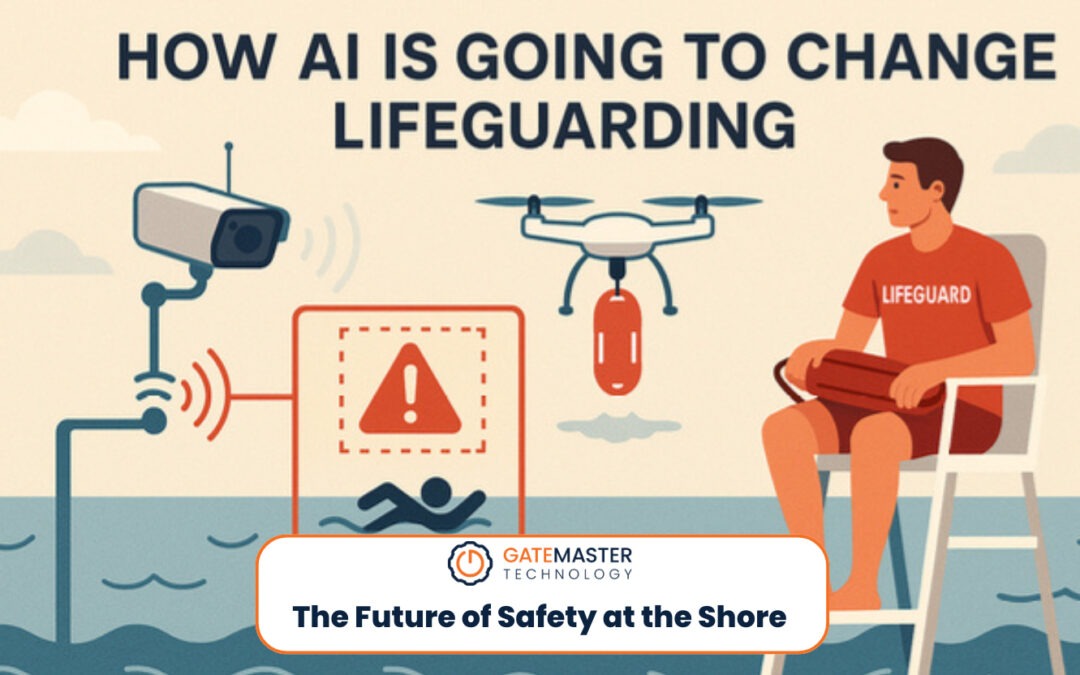
When most people think of lifeguards, they picture someone perched high on a chair, scanning the waves with a watchful eye, whistle ready, and a bright red rescue buoy by their side. But as technology evolves, the classic image of lifeguarding is starting to shift. Enter AI, a powerful new tool that’s quietly making waves in the world of water safety.
So, what does lifeguarding look like in the age of artificial intelligence? Let’s dive in.
- AI-Powered Surveillance: Always Watching, Never Blinking
Even the most attentive human lifeguard can’t see everything. AI is stepping in with advanced computer vision systems that analyze real-time videos to detect unusual behavior. Systems like Poseidon Technologies are already deployed in pools across Europe, where they alert staff within seconds if someone is motionless underwater.
🔗 Poseidon Technologies
Other startups, like Coral Smart Pool, use underwater cameras and AI to monitor residential pools for signs of drowning.
🔗 Coral Smart Pool
- Smart Drones: Eyes in the Sky and Rescues from Above
AI-powered drones are changing the way emergencies are handled. In Spain, for example, the company General Drones launched Auxdron Lifeguard Drone, which can fly over swimmers and drop life vests before rescuers arrive. It has already saved lives.
🔗 AI Lifeguard Drone Saves Swimmer
Drones are also being tested to patrol beaches and spot sharks or riptides using machine learning and thermal imaging.
- Predictive Analytics: Knowing Trouble Before It Happens
AI can help predict when and where incidents are more likely to occur by analyzing data from tides, weather, beach traffic, and historical rescue records. The Australian BeachSafe AI project, led by Surf Life Saving Australia, aims to predict hazards and identify unsafe swimming zones.
🔗 BeachSafe Project
This allows lifeguards to be more proactive and better allocate their resources.
- Training the Next Generation of Lifeguards
AI and VR are transforming lifeguard training. Companies like Laerdal Medical are creating smart mannequins and simulation environments that mimic real-life drowning scenarios. Lifeguards can now practice rare, high-pressure situations without putting anyone at risk.
🔗 Laerdal Training Technology
These immersive, AI-enhanced tools make lifeguard certification and refreshers more engaging and effective.
- The Human-AI Partnership
It’s important to note: AI isn’t replacing lifeguards, it’s empowering them. Human instincts, compassion, and physical presence are irreplaceable, but AI is a powerful partner that provides faster alerts, better foresight, and enhanced decision-making.
As lifeguards begin to collaborate with intelligent machines from cameras and drones to data dashboards the result is safer, smarter waterfronts.
Final Thoughts
Lifeguarding is entering a new era. With AI by their side, lifeguards can become faster, more effective, and even safer in their own roles. From drones to deep learning, artificial intelligence is quietly turning the tide in water safety and that’s something everyone can feel good about next time they head to the beach.
Are you looking to improve your attraction’s operations and increase revenue? Schedule a free discovery call with one of our “TechXperts” to learn how our solutions can take your attraction to the next level!
Schedule a Free Discovery Call >
Let us know if you found this blog helpful or insightful.
We’d love to hear your thoughts!
Share this blog with your network.